TCDD

Social Audit Training

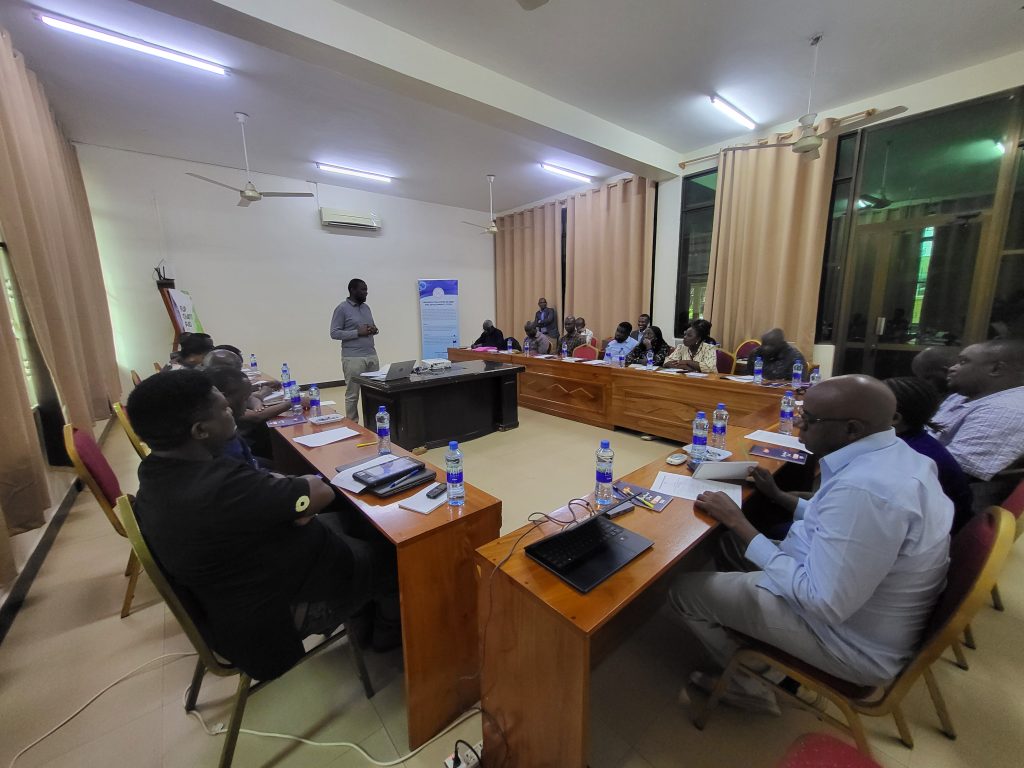
TCDD conducts social Audit training to 10 CSO members. This training aimed to build the capacity of the CSOs to conduct a social Audit of debt-financed projects in LGAs.

Two Representatives from Benevolent Institute of Development Initiatives in Tanzania (BIDII-TANZANIA), Youth Against Aids and Poverty Association (YAAPA), Youth Peacemaker, Tambani Rural Community Development Fund (TARUCODEFU), Community Active in Development Association (CADA), Wise Utilization for Natural Resources Sustainability (WUNRS), Malema Foundation Tanzania, Mtwangonet, Umoja wa Wawezeshaji KIOO, and The Mazombe Mahenge Development Association (MMADEA).


Essentially, the training was based on the following key areas: understanding the key issues on Social Audit, the steps involved in conducting a Social Audit for a project, the key stakeholders in Social Audit, and the guiding principles of Social Audit.


Social Audit is a participatory accountability mechanism that assesses whether public projects/programs have delivered community expectations. It is a participatory process of monitoring and evaluating public projects/programs. is a process that engages citizens and community members in reviewing, monitoring, and evaluating public projects and services. It emphasizes transparency, inclusion, and public dialogue rather than solely technical financial verification.


Participants were able to pass through the key steps of conducting a social audit, as follows: defining scope and objectives, data collection, stakeholder engagement, findings verification/validation, reporting (publicly), and follow-up with corrective actions. All these steps are guided by transparency, accountability, and inclusiveness.


Training discussions were based on the Social Audit objective, which is to strengthen transparency, accountability, integrity, inclusion, ownership, and social impact. The following are also mentioned as challenges that they may face during conducting Social audit and the way forward for overcoming them: structural and systemic challenges, perceptions and attitudes of the supply and demand Side and leadership and political will

 

Social Audit Training

TCDD conducts social Audit training to 10 CSO members. This training aimed to build the capacity of the CSOs to conduct a social Audit of debt-financed projects in LGAs.

Two Representatives from Benevolent Institute of Development Initiatives in Tanzania (BIDII-TANZANIA), Youth Against Aids and Poverty Association (YAAPA), Youth Peacemaker, Tambani Rural Community Development Fund (TARUCODEFU), Community Active in Development Association (CADA), Wise Utilization for Natural Resources Sustainability (WUNRS), Malema Foundation Tanzania, Mtwangonet, Umoja wa Wawezeshaji KIOO, and The Mazombe Mahenge Development Association (MMADEA).


Essentially, the training was based on the following key areas: understanding the key issues on Social Audit, the steps involved in conducting a Social Audit for a project, the key stakeholders in Social Audit, and the guiding principles of Social Audit.


Social Audit is a participatory accountability mechanism that assesses whether public projects/programs have delivered community expectations. It is a participatory process of monitoring and evaluating public projects/programs. is a process that engages citizens and community members in reviewing, monitoring, and evaluating public projects and services. It emphasizes transparency, inclusion, and public dialogue rather than solely technical financial verification.


Participants were able to pass through the key steps of conducting a social audit, as follows: defining scope and objectives, data collection, stakeholder engagement, findings verification/validation, reporting (publicly), and follow-up with corrective actions. All these steps are guided by transparency, accountability, and inclusiveness.


Training discussions were based on the Social Audit objective, which is to strengthen transparency, accountability, integrity, inclusion, ownership, and social impact. The following are also mentioned as challenges that they may face during conducting Social audit and the way forward for overcoming them: structural and systemic challenges, perceptions and attitudes of the supply and demand Side and leadership and political will
 

Social Audit Training

TCDD conducts social Audit training to 10 CSO members. This training aimed to build the capacity of the CSOs to conduct a social Audit of debt-financed projects in LGAs.

Two Representatives from Benevolent Institute of Development Initiatives in Tanzania (BIDII-TANZANIA), Youth Against Aids and Poverty Association (YAAPA), Youth Peacemaker, Tambani Rural Community Development Fund (TARUCODEFU), Community Active in Development Association (CADA), Wise Utilization for Natural Resources Sustainability (WUNRS), Malema Foundation Tanzania, Mtwangonet, Umoja wa Wawezeshaji KIOO, and The Mazombe Mahenge Development Association (MMADEA).


Essentially, the training was based on the following key areas: understanding the key issues on Social Audit, the steps involved in conducting a Social Audit for a project, the key stakeholders in Social Audit, and the guiding principles of Social Audit.


Social Audit is a participatory accountability mechanism that assesses whether public projects/programs have delivered community expectations. It is a participatory process of monitoring and evaluating public projects/programs. is a process that engages citizens and community members in reviewing, monitoring, and evaluating public projects and services. It emphasizes transparency, inclusion, and public dialogue rather than solely technical financial verification.


Participants were able to pass through the key steps of conducting a social audit, as follows: defining scope and objectives, data collection, stakeholder engagement, findings verification/validation, reporting (publicly), and follow-up with corrective actions. All these steps are guided by transparency, accountability, and inclusiveness.


Training discussions were based on the Social Audit objective, which is to strengthen transparency, accountability, integrity, inclusion, ownership, and social impact. The following are also mentioned as challenges that they may face during conducting Social audit and the way forward for overcoming them: structural and systemic challenges, perceptions and attitudes of the supply and demand Side and leadership and political will